


Kazakhstan Travel Tips: What Every First-Time Visitor Needs to Know
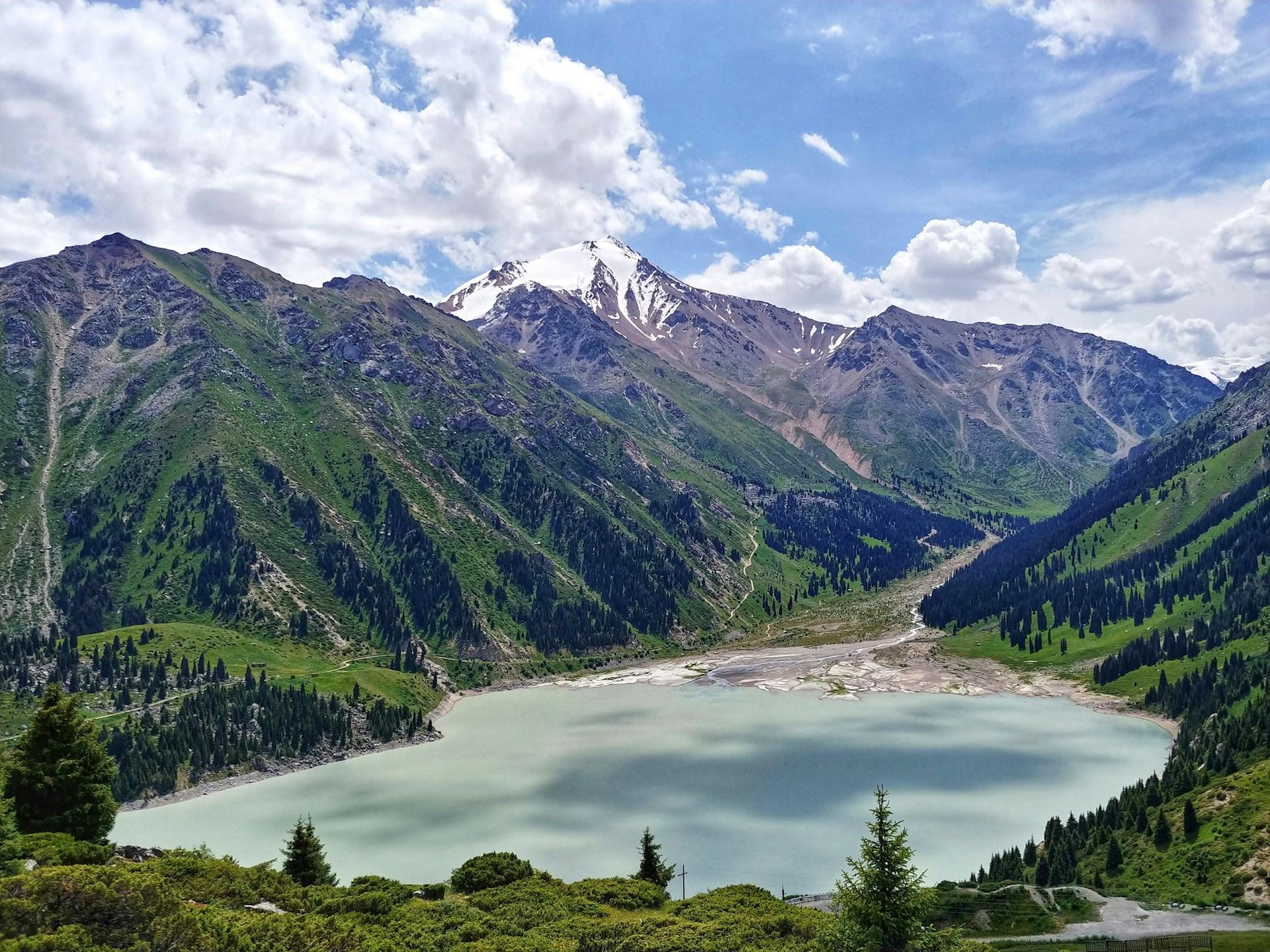
Why Kazakhstan Surprises First-Time Visitors
Most people arrive in Kazakhstan expecting a difficult country — remote, bureaucratic, hard to navigate. What they find instead is a place with reliable infrastructure, a genuinely warm population, extraordinary food, and some of the most underrated mountain scenery on earth. The surprises are almost always positive.
That said, Kazakhstan has its own rhythms and quirks. This guide covers what you actually need to know — not the generic advice you can find anywhere, but the specifics that make your first trip go smoothly.

Visas: Simpler Than You Think
Citizens of 77 countries can enter Kazakhstan visa-free for stays of up to 14 or 30 days. This includes the entire EU, UK, USA, Canada, Australia, South Korea, Japan, and most of Southeast Asia. If you hold a passport from one of these countries, you simply arrive and go.
If you need a visa, Kazakhstan offers an e-visa that can be obtained online in a few days without visiting an embassy. The e-visa is valid for a single-entry stay of up to 30 days and costs around $75. For longer or multi-entry stays, a standard visa from a Kazakh embassy is needed.
Important: You must register your stay if you are in Kazakhstan for more than 5 days. Hotels register you automatically. If you are staying with a private host or in an Airbnb, the host must register you through the government eGov portal. Failing to register is technically a fine-able offense, though enforcement for tourists is inconsistent.
Money: Cash Still Matters
The currency is the Kazakhstani tenge (KZT). The current rate is approximately 1 USD = 480 KZT, making Kazakhstan genuinely affordable for most international visitors — a good restaurant meal costs $8–15, a city taxi ride is $1–3, and a quality hotel in central Almaty runs $50–120 per night.
Cards are accepted at most restaurants, supermarkets, and hotels in Almaty and Nur-Sultan. But once you leave the city — at markets, petrol stations on the road, national park entry gates, local transport — cash is often the only option. Withdraw tenge from an ATM at the airport or in the city before heading into the mountains. Kaspi Bank ATMs are the most reliable and have the best rates.
Avoid currency exchange kiosks at the airport — rates are poor. The best rates are at bank branches or city center exchange offices, which are legitimate and found everywhere in central Almaty.
Getting a SIM Card
Buy a local SIM card as soon as you land — it will cost less than $5 and give you unlimited or near-unlimited data for the duration of your trip. Kcell, Beeline KZ, and Tele2 are the three main carriers. All have kiosks in the arrival hall at Almaty International Airport (ALA).
You will need your passport to register the SIM. City coverage is excellent. Mountain and steppe coverage is patchy — download offline maps of your routes in Maps.me before you leave the city.
For city transport and ride-hailing, install Yandex Go (the dominant app, similar to Uber) and Kaspi.kz for payments. Kaspi is Kazakhstan super-app — used for everything from restaurant bills to utility payments — and even as a tourist it is useful for splitting costs or quick transfers.
Language: What to Expect
Kazakhstan has two official languages: Kazakh and Russian. Russian is still the dominant language of daily urban life — most street signs, menus, and public announcements in Almaty and Nur-Sultan are in Russian. English is understood in hotels, tourist-facing restaurants, and by younger city residents, but do not rely on it outside the tourist trail.
Download Yandex Translate offline before you arrive (it handles Russian and Kazakh far better than Google Translate for this region). A handful of Russian phrases — "Skolko stoit?" (how much?), "Gde...?" (where is...?), "Spasibo" (thank you) — go a very long way.
Safety
Kazakhstan is safe for tourists. Violent crime against foreigners is rare. Almaty is a functioning, modern city and petty crime is comparable to any European capital — pickpockets exist, keep your phone in a front pocket at the Green Bazaar and on public transport. Use Yandex Go rather than flagging down random taxis, especially at night.
The main risks for tourists are the same as anywhere: road accidents (traffic in Almaty is dense and driving can be aggressive), altitude sickness if you ascend too fast in the mountains, and hypothermia if you underestimate weather in the high alpine. A standard travel insurance policy covers all of these.
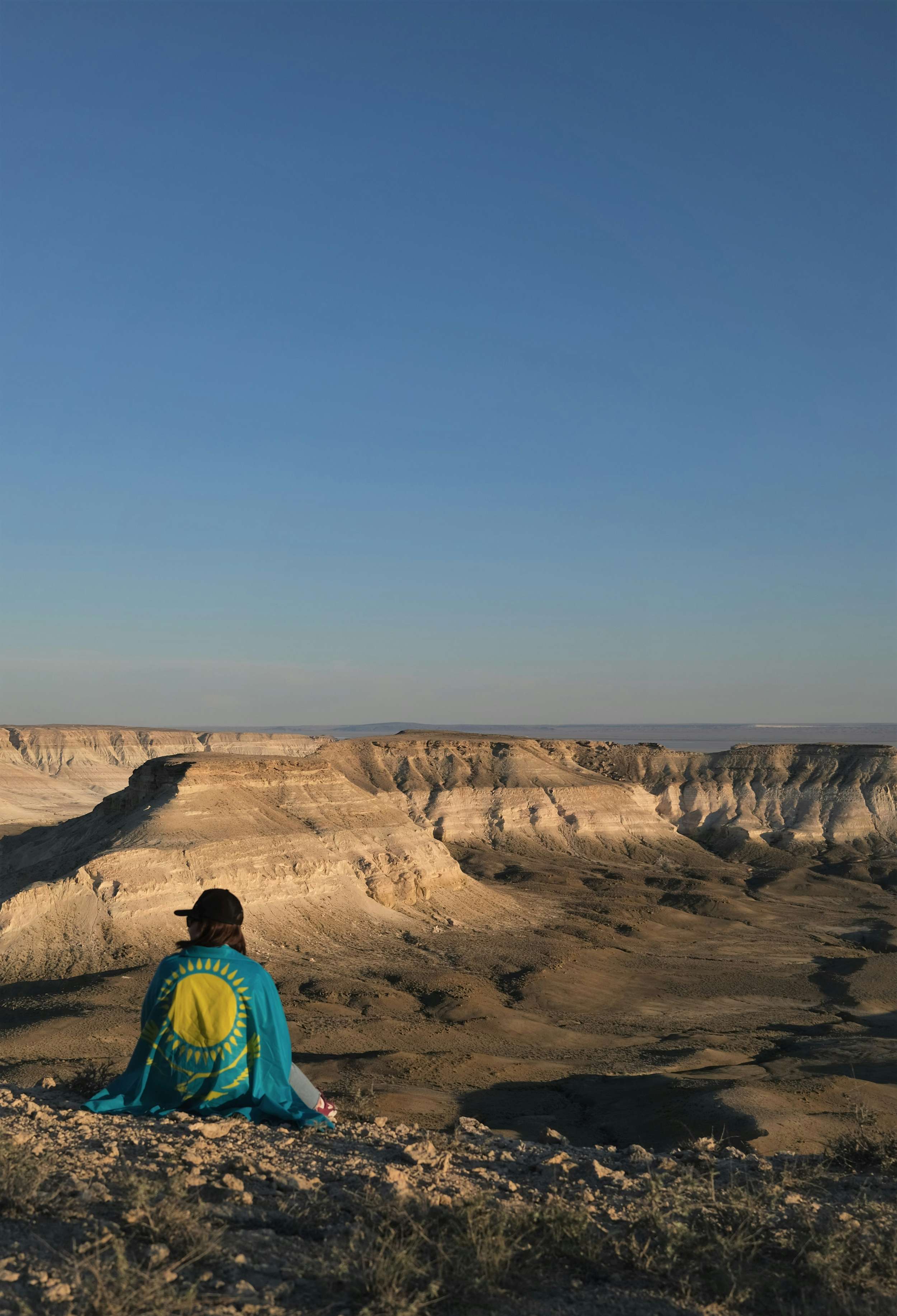
Cultural Etiquette
Kazakh culture is warm and hospitable. A few things to know:
- Hospitality is serious. If a Kazakh person invites you to their home, accept — refusing without a good reason is considered impolite. You will almost certainly be fed far more than you expected.
- Remove your shoes when entering a home. When in doubt, glance at the doorway — a pile of shoes means you take yours off.
- Tea is not optional. Refusing tea when offered is unusual. Accept, drink, and enjoy — Kazakh hospitality tea served with kurt, baursak, or jam is genuinely good.
- Dress moderately at mosques and rural areas. Almaty is a cosmopolitan city and dress codes are relaxed, but outside the city, modest clothing is appreciated.
- Photography: ask before photographing people, especially the elderly. Most Kazakhs are happy to be photographed and some will pose enthusiastically, but the gesture of asking matters.
Getting Around
Within Almaty: Yandex Go covers the whole city and is cheap and reliable. Bus and metro options exist but require a Kaspi card or purchased transit card for payment. Taxis are plentiful.
Almaty to Nur-Sultan: 2.5-hour flights are frequent and cheap (from $40 one way on Air Astana). There is also a 14-hour overnight train — a comfortable and scenic option if you are not in a hurry.
Day trips from Almaty: For Charyn Canyon, Kolsay Lakes, or Kaiyndy Lake, book a tour or rent a car. Public transport options exist but are slow. 1Travel offers organized group and private day trips to all major destinations around Almaty.
